
Election Commission of India (ECI)
The Election Commission of India (ECI) is an independent constitutional body respon-sible for conducting elections in India
Attorney General of India (AGI)
Article 76 – Provides for the Attorney General of India. Highest Law Officer of India. Chief Legal Advisor to the Union Government
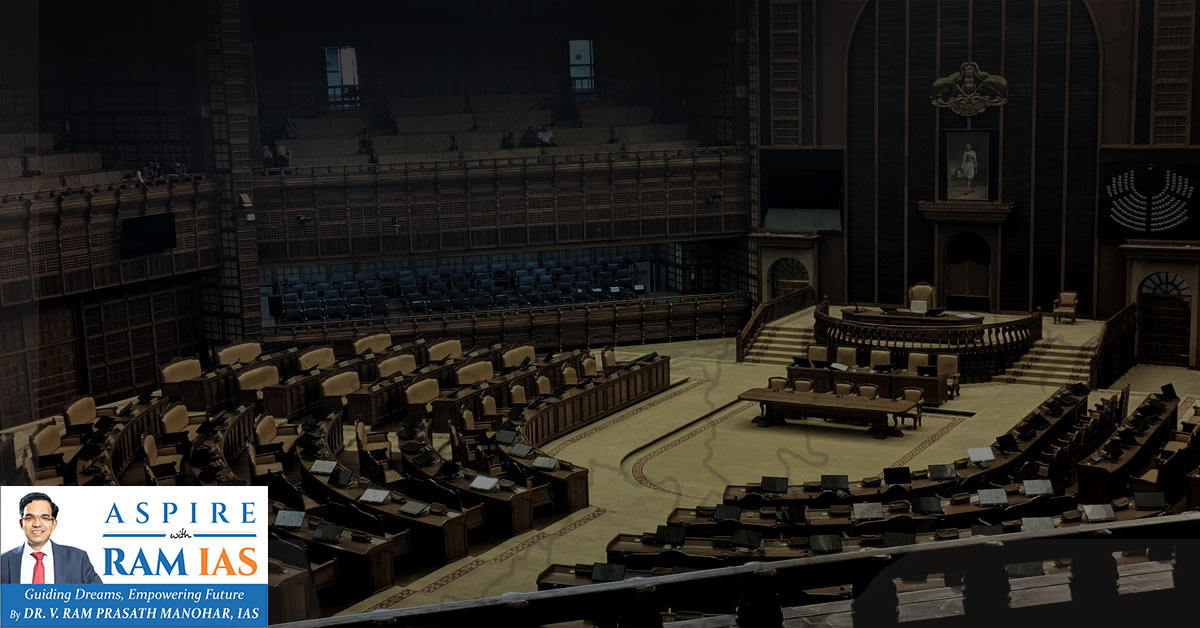
State Legislature
Covered under Part VI (Articles 168–212) of the Constitution. Article 168 -Constitution of State Legislature.
Chief Minister
The Chief Minister (CM) is the real executive head of the State and functions in a role analogous to
the Prime Minister at the Centre.
Governor
The Governor is the constitutional head of the State. Real executive power lies with the Council of Ministers, headed by the CM

Process of Law-Making in the Indian Parliament
Parliament is the supreme legislative body of India. It consists of President, Lok Sabha and Rajya Sabha.
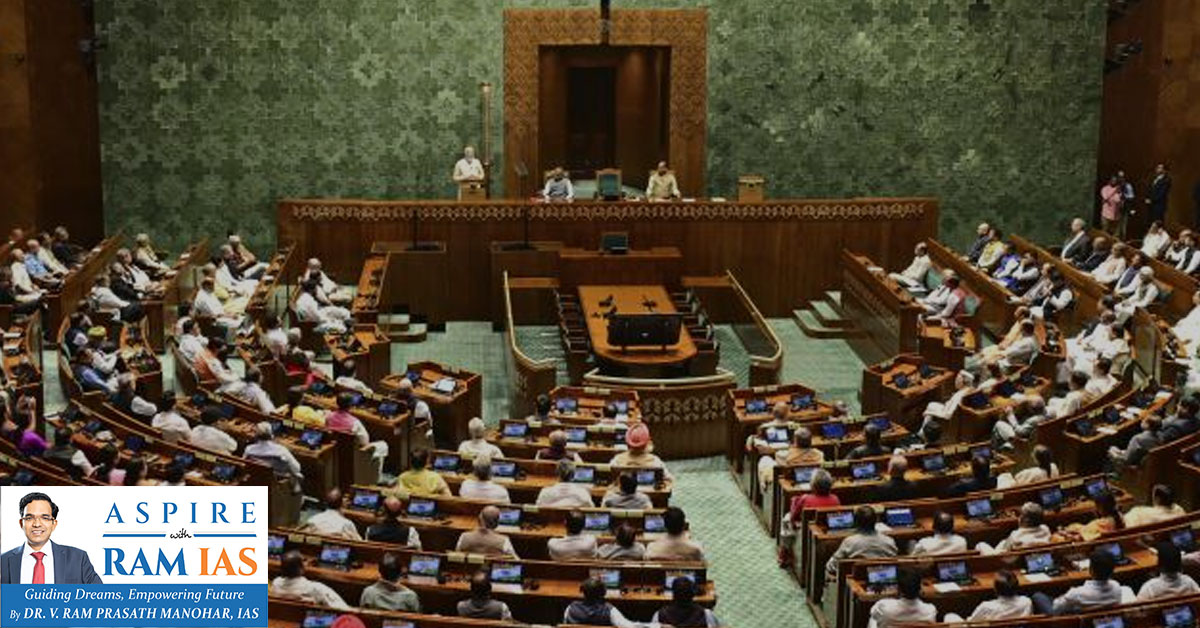
Leader of the Opposition (LoP) in India
The Leader of Opposition (LoP) is a Member of Parliament who leads the largest opposition party …
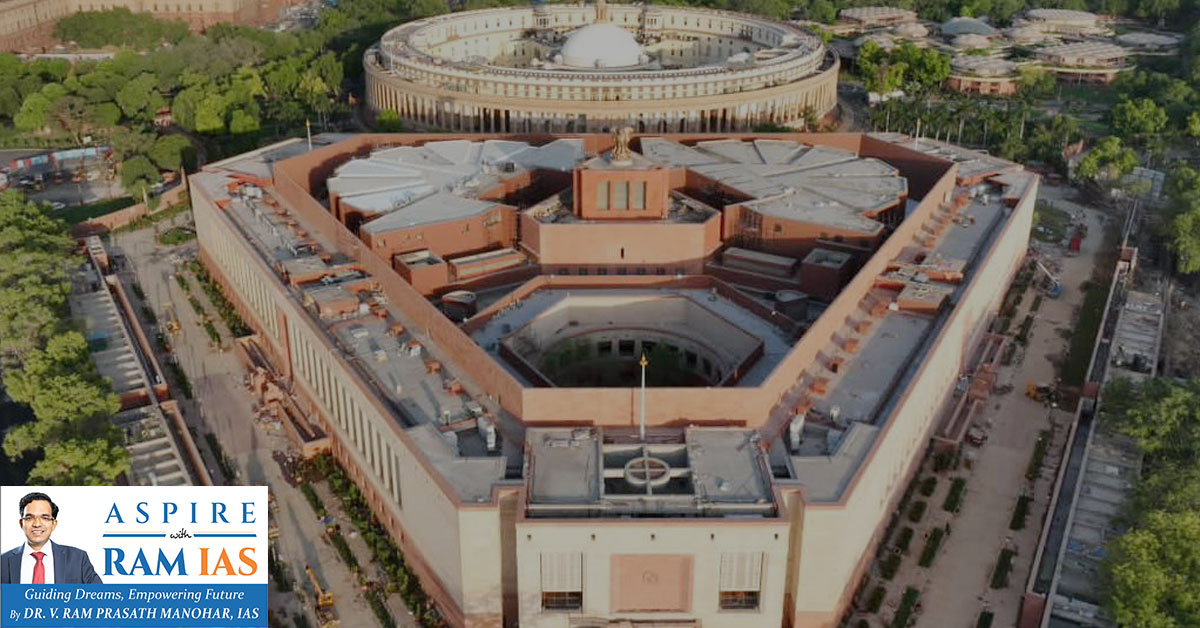
Motions in Parliament
A motion is a formal proposal made by a Member of Parliament (MP) or a Minister to initiate discussion or take a decision on a matter of public importance.

Structure of the Indian Parliament
Structure of the Indian Parliament : Parliament consists of President + Lok Sabha + Rajya Sabha
Cabinet Committees
Cabinet Committees: Extra-constitutional bodies, Not mentioned in the Indian Constitution, Set up by the Prime Minister, Reduce the workload of the Union Cabinet,,Decisions are binding on the government.
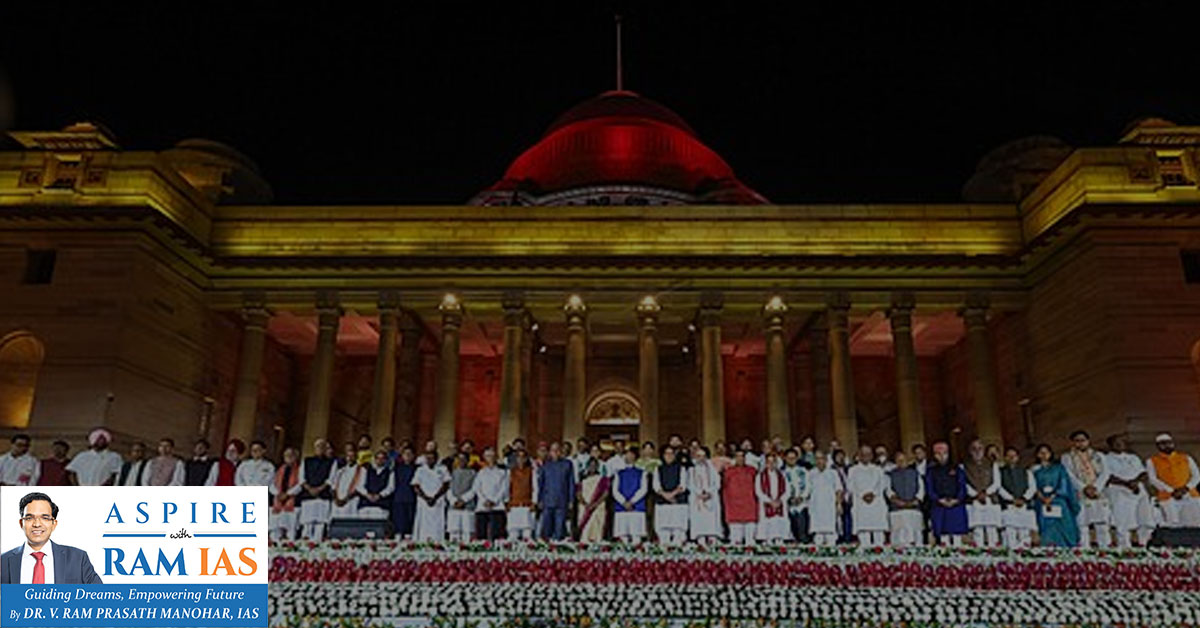
Council of Ministers (CoM)
What is the Council of Ministers? The Council of Ministers is the highest executive decision-making body of the Union Government.
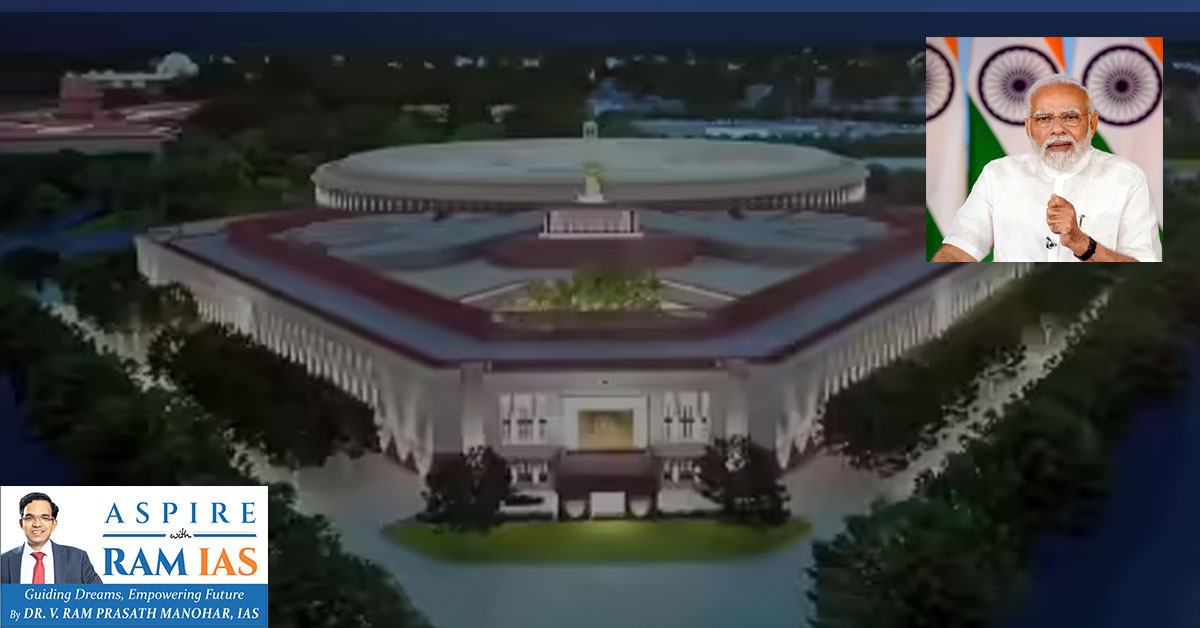
Prime Minister of India
India is described as a Prime Ministerial Government because real executive authority is con-centrated in the Prime Minister, while the President functions as the nominal head.
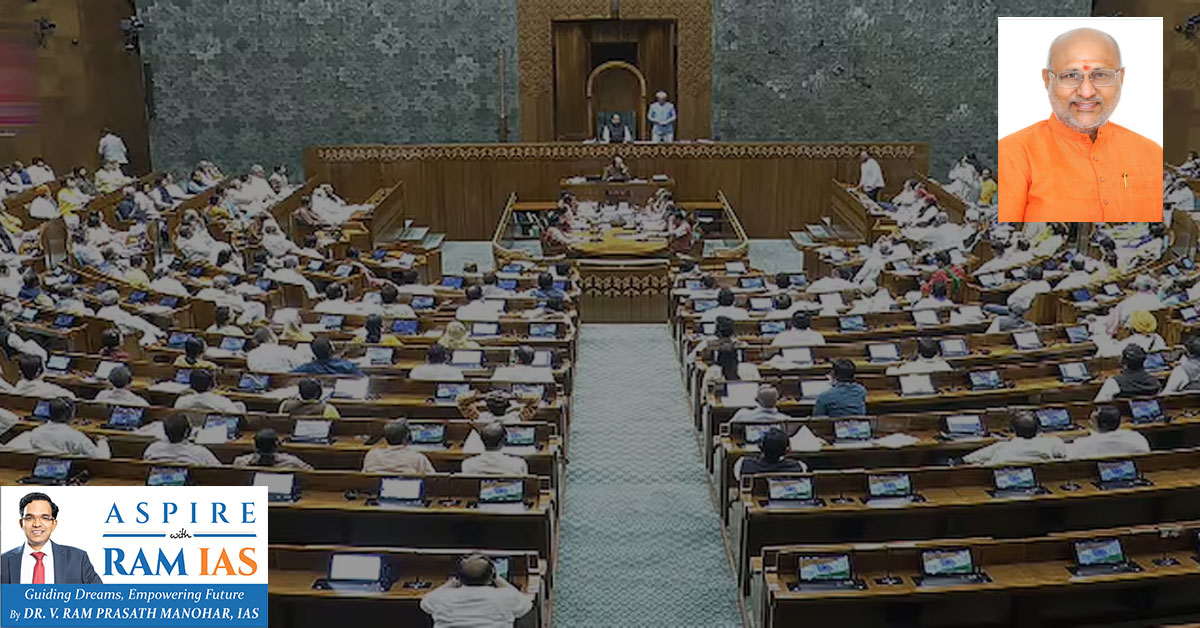
Vice President of India
Constitutional Position: 2nd-highest constitutional office after the President (Order of Precedence)
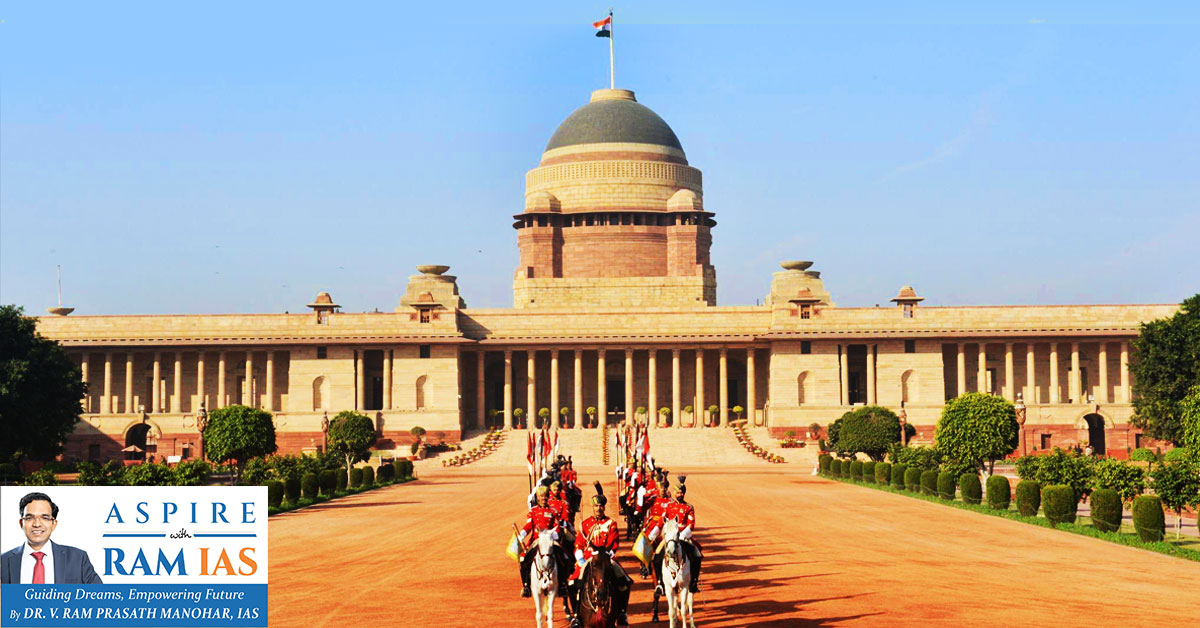
President of India
Constitutional Position: Article 52 → “There shall be a President of India.” Head of State and First Citizen of India.
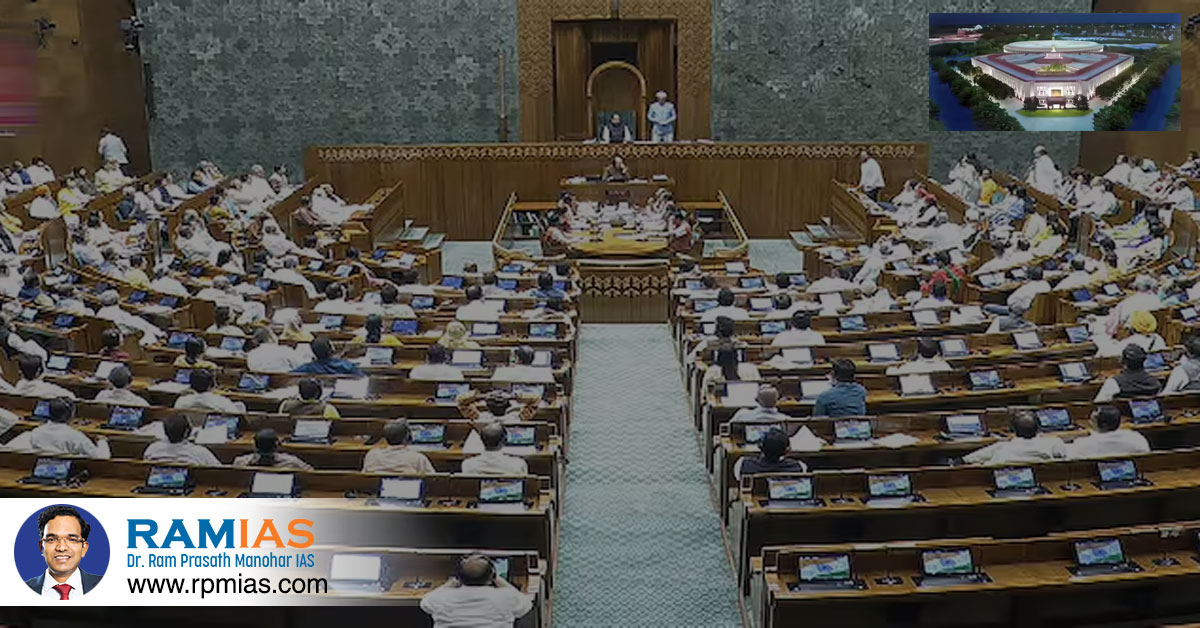
Parliamentary Form of Government
A parliamentary system is a democratic structure where: The party with the majority in the legislature forms the government.
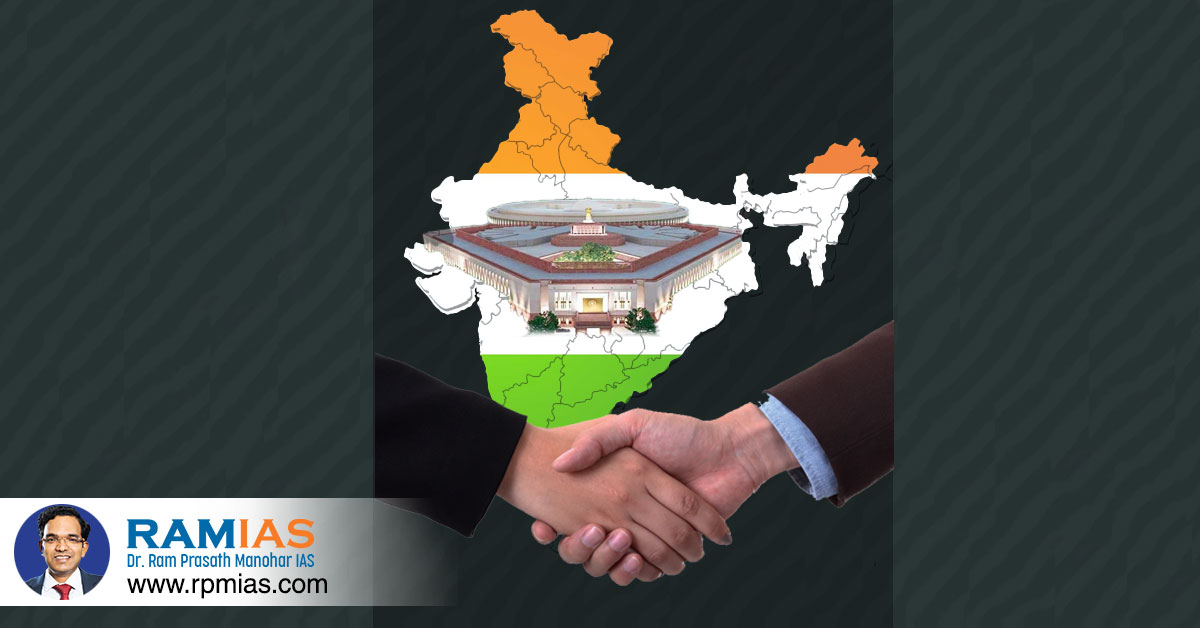
Federalism
FEDERALISM: Meaning-Federalism is a system where power is shared between a central government and regional units (states/provinces).
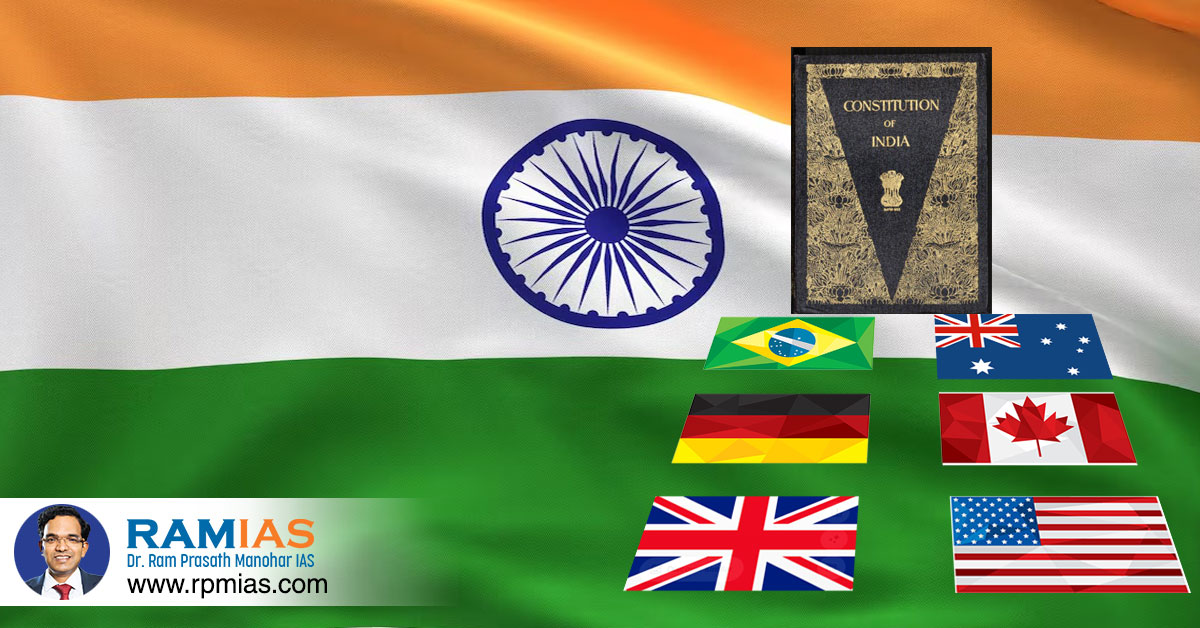
Borrowed Features of the Indian Constitution
UK (British Constitution) – Parliamentary system, Rule of Law, law-making procedure, single citizenship, …

Amendment of the Constitution
Study Materials General Studies – Polity Amendment of the Constitution Download 1. Meaning Amendment of the Constitution means adding, changing,
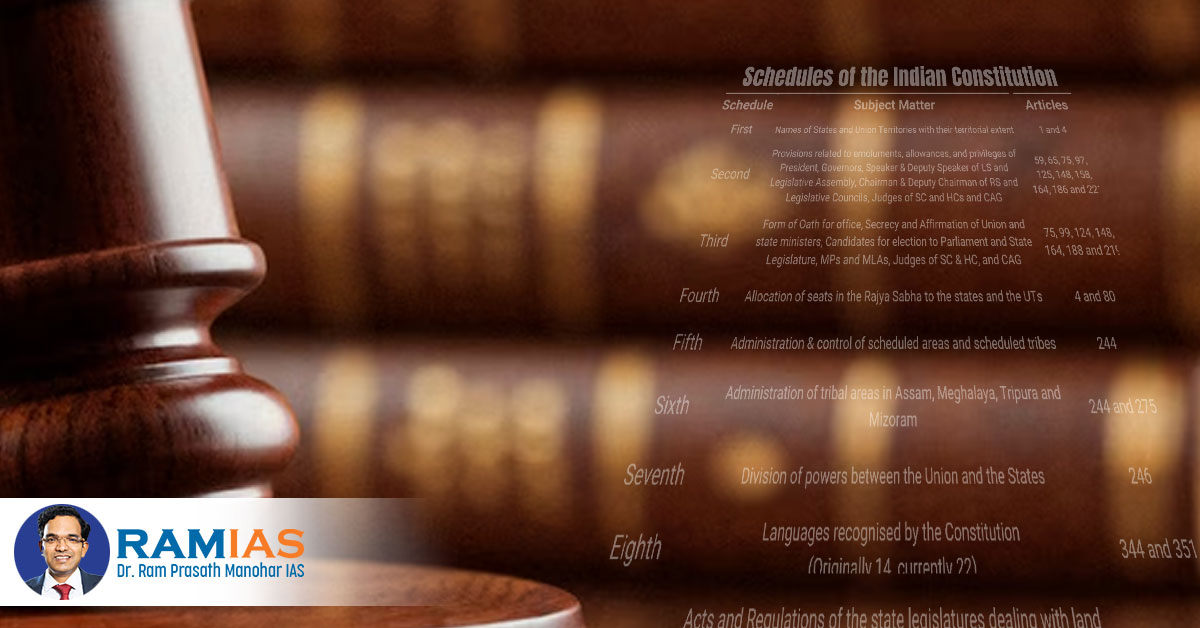
12 Schedules of the Indian Constitution
Basic Facts – Originally 8 Schedules (1950) → now 12 (after amendments), Schedules are lists/tables attached to the Constitution to organise details.

Juvenile Justice Board (JJB)
What is the Juvenile Justice Board?
A statutory body under the JJ Act, 2015, to handle cases of children in conflict with the law. Why It Matters?
55% of cases pending before JJBs …
Fundamental Rights [Part Iii (Art. 12–35)]
Features of fundamental rights, The six fundamental rights, Exceptions & special provisions, Other key articles, Significance of fundamental rights

Fundamental Duties
Constitutional Basis, List of Fundamental Duties (Article 51A), Features of Fundamental Duties, Importance of Fundamental Duties…
Directive Principles of State Policy (DPSP)
Basic Facts-Part IV of the Constitution, Articles 36–51, Aim: Establish a Welfare State & ensure Social + Economic Justice
Citizenship
Citizens are full members of the Indian State and enjoy all civil and political rights. Rights Available Only to Citizens. Protection against discrimination (Art. 15)

Basic Structure Doctrine
What is the Basic Structure Doctrine? The Basic Structure Doctrine says that Parliament can amend the Constitution, but cannot change its essential framework.
